Woodcut: A Cool Grunge Display Font for Creative Projects
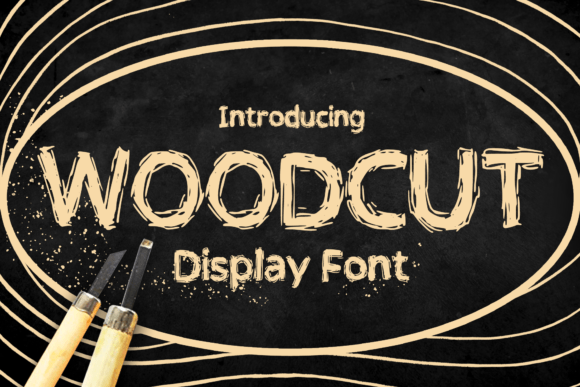
Imagine a font that instantly brings the raw, tactile charm of a hand-stamped print to your digital designs. That's the unique appeal of Woodcut, a premium display font that captures the essence of traditional woodcut stamp prints. Its textured edges and bold, friendly character make it a standout choice for projects that need a strong yet approachable personality. If you're searching for a creative font with genuine artistic flair, you'll likely find yourself reaching for it time and again.
What Makes Woodcut a Valuable Design Asset?
Woodcut is more than just a typeface; it's a design tool that adds instant character. Unlike a clean sans serif font or an elegant script font, its grunge aesthetic provides a layer of authenticity and texture. This makes it incredibly versatile for creating designs that feel handmade, rustic, or vintage. It excels as a headline font, drawing the eye without overwhelming the viewer, thanks to its balanced weight and legible forms. For designers, this means it can solve the common challenge of making a design feel both impactful and nuanced.
Practical Uses for This Versatile Typeface
The real strength of Woodcut lies in its adaptability across various creative contexts. Its friendly yet strong presence makes it suitable for a wide range of applications where you want to leave a memorable impression.
- Brand Identity & Logo Design: It can form the core of a brand's visual language, especially for companies in craft, artisanal food, outdoor apparel, or vintage-themed markets. A well-paired logo using Woodcut can foster instant brand recognition.
- Poster & Editorial Design: For event posters, magazine headers, or book covers, it creates a dynamic focal point. Its texture adds depth that a standard modern typography choice might lack.
- Packaging & Merchandise: Imagine it on a coffee bag label, a craft beer bottle, or a series of tote bags and t-shirts. It translates beautifully to physical products, enhancing the tactile experience of the design.
- Social Media & Web Graphics: Use it for Instagram posts, YouTube thumbnails, or website banners to break the visual monotony of digital content. It helps graphics stand out in a crowded feed.
- Invitations & Greeting Cards: From wedding invitations with a rustic theme to birthday cards, it adds a personal, crafted touch that feels special and intentional.
Tips for Choosing and Using Woodcut Effectively
Integrating a display font like Woodcut into your toolkit requires a thoughtful approach to ensure it enhances your project. Here are some actionable tips for designers and creators.
First, always test for readability in context. While it's highly legible for headlines, ensure it works at the intended size for your specific application, whether it's on a small sticker or a large poster. Second, match the mood. Woodcut pairs exceptionally well with projects that have a narrative, a sense of history, or a handcrafted ethos. It might feel out of place in a strictly corporate or minimalist tech context.
Third, master the art of font pairing. This is where its versatility shines. Pair it with a clean, simple sans serif font for body text to create a beautiful contrast. Alternatively, combine it with a delicate handwritten font for a more eclectic, artisanal feel. Experimenting with these combinations in your design software is key. Finally, always review the license. As a commercial font, ensure its terms align with your project's scope, whether for personal use, client work, or merchandise for sale.
Choosing the right typeface is a fundamental decision that impacts visual consistency and the professional presentation of your work. A well-designed font like Woodcut does more than just display words; it communicates a feeling, sets a scene, and can elevate a good design into a great one. By considering its unique strengths and applying it thoughtfully, you can unlock new creative possibilities and make your projects truly stand out.