Woodlist: The Friendly Wood-Themed Display Font
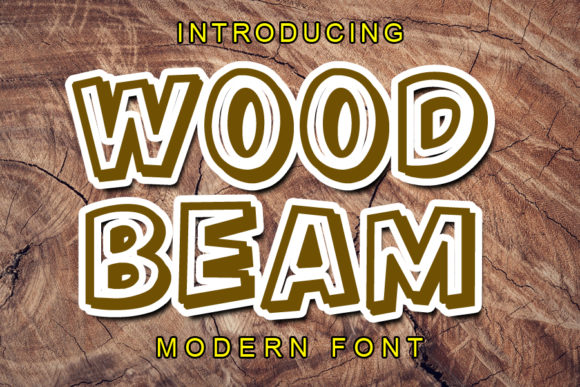
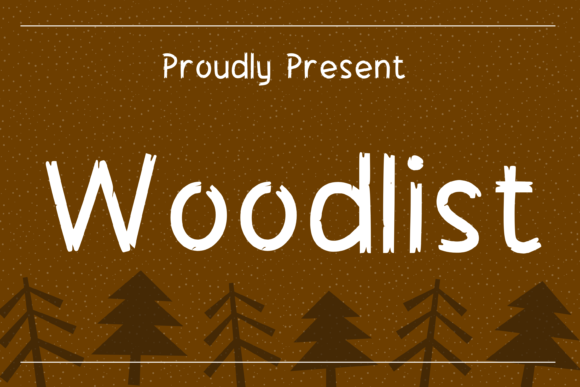
Imagine a typeface that feels like it was carved from a piece of warm, natural timber, yet designed with modern flair and friendly appeal. That's exactly what you get with Woodlist, a wood-themed display font that brings an organic, unique character to any creative project. Its natural style isn't just for rustic designs; it's incredibly versatile, fitting into a vast pool of applications from digital branding to physical packaging. Have fun exploring its endless variations and discover how it can elevate your work.
Where Woodlist Truly Shines
Woodlist isn't just another creative font; it's a design asset with personality. Its wood-inspired aesthetic makes it a standout choice for projects that need a touch of warmth, authenticity, and craftsmanship. Think beyond the obvious—it's perfect for more than just log cabins or craft brewery logos.
This display font excels in scenarios where you want to make a memorable visual impact. Consider it for:
- Logo Design & Brand Identity: Create a logo that feels approachable and handcrafted. Woodlist helps build a brand identity that's friendly and memorable, ideal for artisanal products, cafes, eco-friendly brands, or lifestyle blogs.
- Packaging Design: Elevate your product's shelf appeal. This typeface is perfect for food packaging, cosmetic labels, or handmade goods, instantly communicating quality and a natural touch.
- Poster & Editorial Design: Use it for headlines in magazines, event posters, or book covers to draw the eye and set a specific, earthy tone. It pairs beautifully with cleaner sans serif fonts for body text.
- Social Media Graphics & Web Design: Stand out in a crowded feed with unique headings or call-to-action buttons. On websites, it can add character to hero sections or specific accent text without sacrificing overall readability.
Tips for Choosing and Using This Typeface
Integrating a distinctive display font like Woodlist into your toolkit requires a thoughtful approach to ensure it enhances rather than overwhelms your design. Here’s how to make the most of it:
First, always prioritize readability. While its style is beautiful, test it at the size it will be used. It's typically best for headlines, logos, or short phrases rather than long paragraphs of body copy. Next, consider the mood of your project. Woodlist’s friendly and natural vibe should align with your project's overall message—it’s a fantastic fit for designs that aim to feel authentic, cozy, or artisanal.
One of the most important steps is experimenting with font pairing. Woodlist’s unique character often works best when balanced with a more neutral typeface. Try pairing it with a clean sans serif font for modern contrast or a simple serif for a more classic, grounded feel. This creates hierarchy and ensures your design remains polished and professional.
Finally, review the available styles and licensing. Check if the font family includes weights or alternate characters that suit your needs. Ensure the license—whether for a font download or a commercial font—covers your intended use, whether it's for a personal project or client work. A well-chosen premium font is an investment in your design assets.
The right typeface does more than just display words; it shapes perception. Woodlist offers a unique opportunity to infuse your projects with personality and visual consistency. By choosing a thoughtfully designed font like this, you're not just selecting letters—you're building a stronger brand recognition and delivering a more professional, cohesive presentation to your audience. It’s a creative tool that invites exploration and rewards careful application with stunning results.